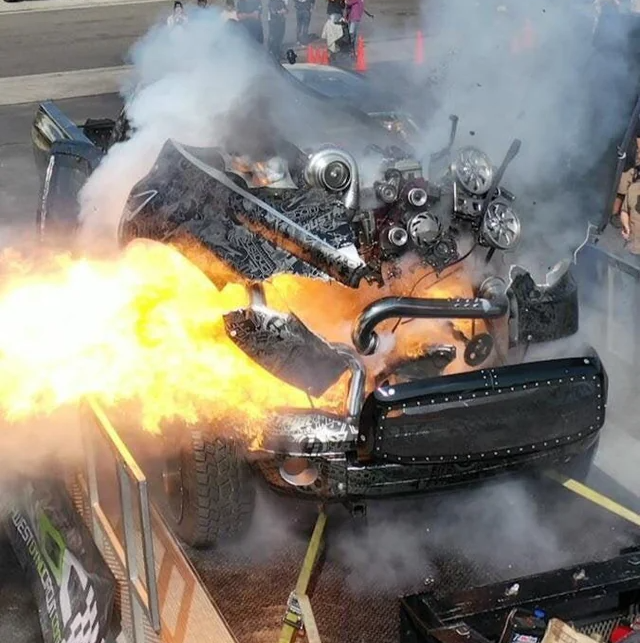
7 Warning Signs Your Diesel Engine Needs Immediate Attention
Your diesel engine is trying to talk to you. The question is: are you listening? Catching problems early can save you thousands of dollars in repairs and prevent being stranded on the side of the road. After years of working on diesels at Dusty’s Diesel, we’ve seen what happens when warning signs get ignored. Here are the seven critical symptoms you should never overlook.
1. Excessive White or Blue Smoke
What It Looks Like: Thick white smoke at startup that doesn’t clear quickly, or blue-tinted smoke during acceleration.
What It Means: White smoke typically indicates unburned fuel, which can point to injector problems, low compression, or timing issues. Blue smoke suggests your engine is burning oil, often due to worn piston rings, valve seals, or turbo seals.
Why It’s Urgent: These issues get progressively worse. What starts as a small puff of smoke can quickly turn into a complete engine failure. Burning oil also means metal-on-metal contact is happening somewhere in your engine.
2. Loss of Power or Sluggish Acceleration
What It Feels Like: Your truck struggles to accelerate, feels like it’s pulling a heavy load even when empty, or has trouble maintaining highway speeds.
What It Means: Power loss can stem from multiple sources: clogged fuel filters, failing injectors, turbo problems, boost leaks, or exhaust restrictions. It could also indicate issues with your high-pressure fuel pump or a clogged DPF system.
Why It’s Urgent: Driving with reduced power puts extra strain on other components. A small issue like a boost leak can force your turbo and engine to work harder, accelerating wear on expensive parts.
3. Hard Starting or Extended Cranking
What It Looks Like: Your engine takes longer to start than usual, especially when cold. You might hear extended cranking or the engine struggling to fire up.
What It Means: Hard starting often points to glow plug failures, low compression, fuel delivery issues, or air in the fuel system. In extreme cold, it could also indicate fuel gelling or battery problems.
Why It’s Urgent: An engine that’s hard to start today might not start at all tomorrow. Plus, extended cranking puts massive stress on your starter motor and battery, leading to additional failures.
4. Unusual Noises from the Engine
What It Sounds Like: Knocking, rattling, grinding, or squealing noises that weren’t there before. Pay special attention to sounds that change with RPM or load.
What It Means: A knock can indicate injector failure or timing issues. Grinding might be a failing turbo bearing. Squealing often points to belt problems. Rattling could be loose components or exhaust leaks.
Why It’s Urgent: Unusual noises are your engine’s way of screaming for help. A failed injector can cause catastrophic engine damage. A turbo that’s about to fail can send metal shrapnel throughout your intake system.
5. Excessive Fuel Consumption
What It Looks Like: Your fuel mileage has dropped noticeably without any change in driving habits or conditions.
What It Means: Poor fuel economy usually indicates your engine isn’t burning fuel efficiently. Common causes include faulty injectors, boost leaks, clogged air filters, or issues with your exhaust system. It can also point to problems with your DPF constantly regenerating.
Why It’s Urgent: Not only are you wasting money on fuel, but inefficient combustion creates excess heat and stress. This accelerates wear on pistons, rings, and cylinder walls.
6. Coolant Loss or Overheating
What It Looks Like: Your coolant level keeps dropping, you see puddles under the truck, or your temperature gauge climbs higher than normal.
What It Means: External leaks are obvious, but internal leaks are more sinister. A blown head gasket or cracked head can let coolant into the combustion chamber or oil system. Overheating can indicate thermostat failure, water pump issues, or radiator problems.
Why It’s Urgent: Running low on coolant or overheating can warp cylinder heads, blow head gaskets, or crack engine blocks. These are multi-thousand dollar repairs that happen fast.
7. Oil Contamination or Unusual Oil Consumption
What It Looks Like: Oil that looks milky or has a fuel smell, oil levels dropping between changes, or oil that turns black immediately after a change.
What It Means: Milky oil indicates coolant contamination, usually from a head gasket failure. Fuel-smelling oil means diesel is getting past your injector seals or piston rings. Rapid oil consumption points to leaks or internal burning.
Why It’s Urgent: Your oil is your engine’s lifeblood. Contaminated oil loses its lubricating properties, and running low on oil can seize your engine in minutes. A head gasket failure that mixes coolant and oil can destroy your engine incredibly fast.
What to Do When You Spot These Signs
If you notice any of these warning signs, don’t wait. The longer you drive with a developing problem, the more expensive the repair becomes. A $500 injector repair can turn into a $15,000 engine replacement if ignored.
At Dusty’s Diesel, we use advanced diagnostic tools to pinpoint problems quickly and accurately. We’ll give you a straight answer about what’s wrong and what it will take to fix it. No surprises, no upselling, just honest expertise you can trust.
Prevention Is Cheaper Than Repair
The best way to avoid these warning signs is regular maintenance. Oil changes with quality filters, fuel system cleaning, and routine inspections catch small problems before they become big ones. We’ve seen countless trucks that would still be running strong if the owner had addressed early warning signs.
Think your diesel is trying to tell you something? Don’t wait until you’re stranded. Call Dusty’s Diesel at (918) 973-3545 or stop by our shop in Davis, OK. We’ll diagnose the problem, explain your options, and get you back on the road with confidence.
Your diesel deserves expert care. We’re here to provide it.