10 Diesel Myths That Cost You Money (And What’s Actually True)
The diesel world is full of advice, tips, and “wisdom” passed down from truck to truck. Some of it’s true. Much of it isn’t. At Dusty’s Diesel, we hear these myths constantly, and we’ve seen how they cost owners money, performance, and reliability. Let’s bust the most common diesel myths once and for all.
Myth 1: “You Need to Idle Diesels for 15+ Minutes Before Driving”
The Myth: Diesels need extended warm-up time before you can drive them, especially in cold weather.
The Reality: Modern diesels need 30 seconds to 2 minutes of idle time, not 15 minutes.
Here’s why: Modern diesel engines have sophisticated oiling systems and tight tolerances. They reach proper operating pressure within seconds. Extended idling doesn’t warm the engine effectively because it’s under no load.
What to Actually Do:
- Start the engine
- Wait 30-60 seconds for oil pressure to stabilize
- Drive gently for the first mile or two
- Avoid heavy throttle until coolant reaches operating temperature
Extended idling wastes fuel, creates carbon buildup, and doesn’t protect your engine any better than a brief warm-up followed by gentle driving.
Myth 2: “Diesel Engines Don’t Need Regular Oil Changes”
The Myth: Diesels are so tough you can extend oil changes to 15,000-20,000 miles or more.
The Reality: This kills more diesels than anything else we see at our shop.
Diesel fuel inevitably gets past piston rings during combustion, contaminating oil. Soot accumulates from EGR systems. Diesel engines run hotter and under more stress than gas engines. All of this breaks down oil faster.
What to Actually Do:
- Stock trucks: 5,000-7,500 miles maximum
- Modified trucks: 3,000-5,000 miles
- Heavy towing or severe use: 3,000 miles
Yes, your owner’s manual might say 10,000 miles. But if you want your engine to last 300,000+ miles, ignore that advice.
Myth 3: “All That Black Smoke Means Power”
The Myth: Big clouds of black smoke mean your diesel is making serious power.
The Reality: Black smoke is unburned fuel. It means you’re making LESS power, not more, because that fuel isn’t combusting efficiently.
Efficient diesels make power with little visible smoke. Black smoke indicates:
- Too much fuel for available air
- Poor injection timing
- Boost leaks
- Clogged air filters
- Bad tuning
What to Actually Do:
Light smoke under hard acceleration is normal. Thick black clouds are not. If your truck smokes heavily, you need tuning adjustments or mechanical repairs.
Clean power is efficient power. Save the smoke shows for the truck pull where they belong.
Myth 4: “Premium Diesel Fuel Is a Waste of Money”
The Myth: All diesel fuel is basically the same, so buy the cheapest you can find.
The Reality: Fuel quality varies dramatically, and cheap diesel costs you money long-term.
Premium diesel (from brands like Chevron, Shell, Exxon) includes:
- Better detergent packages for cleaner injectors
- Higher cetane for easier starts and better combustion
- Superior lubricity additives
- Better water separation
- More consistent quality control
The Cost Analysis:
Cheap diesel: $3.50/gallon, dirty injectors require $2,000 cleaning/replacement every 75,000 miles
Premium diesel: $3.65/gallon, injectors stay clean
That $0.15/gallon extra costs $225 per year on a truck getting 15 MPG and driving 15,000 miles. Injector service costs $2,000. You do the math.
Myth 5: “You Can’t Hurt a Diesel Engine”
The Myth: Diesel engines are indestructible and can handle abuse that would kill a gas engine.
The Reality: While diesel engines are robust, they’re not immune to damage.
Common ways to destroy a diesel:
- Running low on oil
- Overheating
- Excessive boost without proper fueling
- Bad tunes
- Contaminated fuel
- Neglected maintenance
- Running out of DEF (if equipped)
What to Actually Do:
Treat your diesel with respect. Monitor gauges, maintain it properly, and don’t exceed safe operating parameters. Yes, they’re tough, but they’re not indestructible.
Myth 6: “More Boost Always Equals More Power”
The Myth: Just crank up the boost and watch the power climb.
The Reality: Boost without proper fueling and timing is dangerous and doesn’t make more power.
Power comes from efficiently burning the right amount of fuel with the right amount of air at the right time. Simply adding boost without addressing fuel delivery, injection timing, and air/fuel ratios can:
- Melt pistons
- Blow head gaskets
- Destroy turbos
- Create dangerously high EGTs
What to Actually Do:
Boost increases should be part of a comprehensive tune that balances air, fuel, and timing. This is why professional tuning matters.
Myth 7: “Cold Air Intakes Add 50+ Horsepower”
The Myth: Bolt on a cold air intake and gain massive power.
The Reality: Most cold air intakes add 5-15 horsepower at best, often less.
Stock airboxes are actually quite efficient. Yes, a quality intake can help, but it’s not a miracle modification. The biggest benefit is often better air filter access and slightly improved sound.
What to Actually Do:
Buy a quality intake if you want one, but don’t expect huge power gains. Pair it with other modifications (tuning, exhaust, turbo) for meaningful results.
Focus on keeping stock or aftermarket filters clean. A dirty filter costs more power than an upgraded intake can ever gain.
Myth 8: “Bigger Injectors Automatically Mean More Power”
The Myth: Install bigger injectors and watch the power increase.
The Reality: Bigger injectors without proper tuning can make your truck run worse and potentially cause damage.
Injectors need to be sized for your turbo, tuning, and goals. Too-large injectors on a stock truck will:
- Create excessive smoke
- Cause rough idle
- Hurt fuel economy
- Potentially damage pistons
What to Actually Do:
Match injector upgrades to your complete build. They should be paired with appropriate turbo, tuning, and supporting modifications. Bigger isn’t always better.
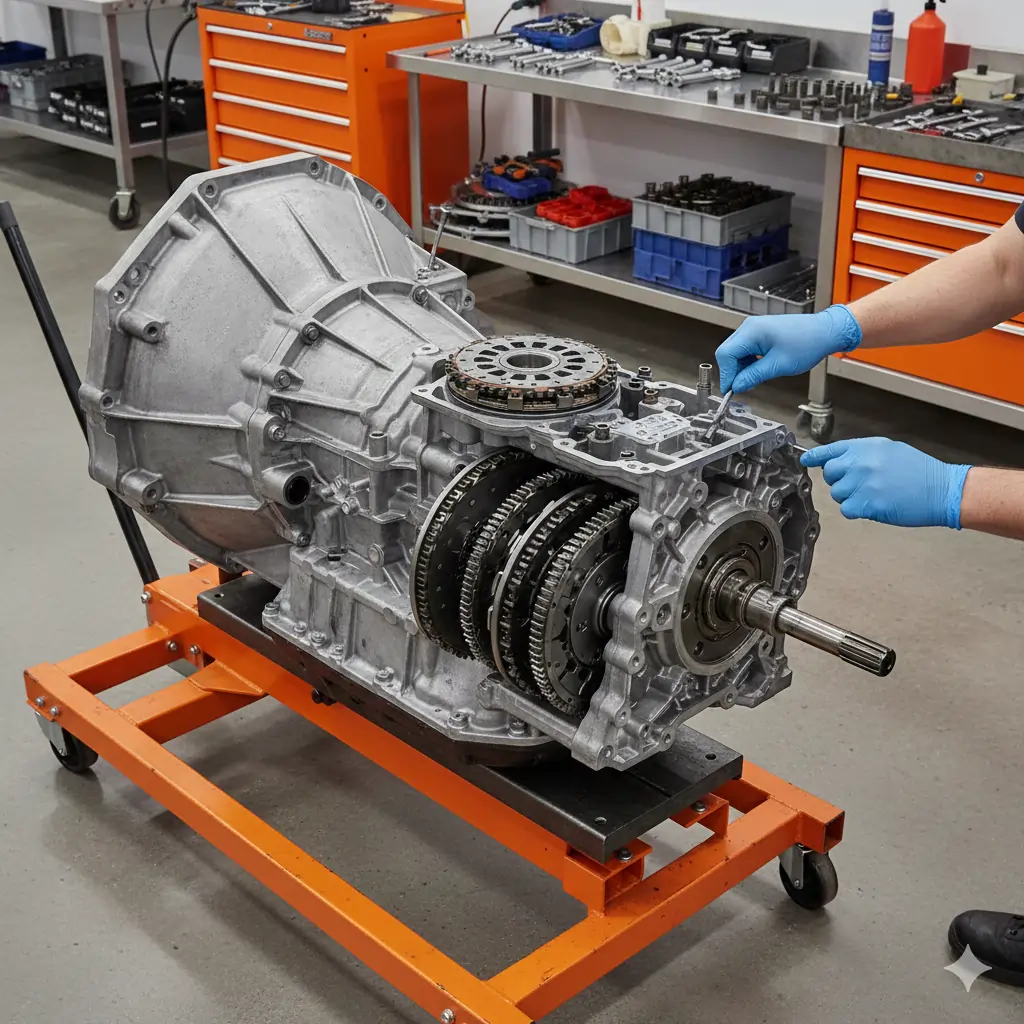
Myth 9: “You Don’t Need to Upgrade Your Transmission Until It Fails”
The Myth: Run the stock transmission until it breaks, then upgrade.
The Reality: This is the most expensive approach possible.
When a transmission fails:
- You’re paying for teardown and diagnosis
- You’re replacing damaged components
- You’re paying for the upgrade
- You might have damaged other parts
- You’re dealing with being stranded
What to Actually Do:
Upgrade the transmission BEFORE you add serious power. A preventive transmission build costs less than failure + rebuild + upgrade.
If you’re planning power modifications, budget for transmission work from the start.
Myth 10: “All Diesel Shops Are the Same”
The Myth: Any shop can work on diesels since they’re so simple.
The Reality: Diesel performance requires specific expertise that most shops don’t have.
A general mechanic might understand basic maintenance, but:
- Proper tuning requires specialized knowledge
- Diagnosing modern diesel systems needs advanced tools
- Performance modifications require experience
- Poor workmanship can destroy engines
What to Actually Do:
Choose a shop specializing in diesel performance. Look for:
- Dyno facilities for proper tuning
- Experience with your specific platform
- Quality parts relationships
- Transparent communication
- Fair pricing
The cheapest shop isn’t always the best value when they have to fix their mistakes.
Bonus Myth: “Online Tunes Are Just as Good as Dyno Tuning”
The Reality: Generic online tunes are designed for an “average” truck. Your truck isn’t average.
Proper dyno tuning accounts for:
- Your specific modifications
- Local altitude and conditions
- Your engine’s unique characteristics
- Real-time performance data
- Safety parameters
That $500 canned tune might work okay. But a $1,500 custom dyno tune will be safer, more powerful, and more reliable.
The Cost of Myths
Following bad advice costs money:
- Extended oil changes: Engine repairs ($5,000-$15,000)
- Skipping transmission upgrades: Failure + upgrade ($6,000-$10,000)
- Poor quality fuel: Injector replacement ($2,000-$5,000)
- Cheap parts and work: Fixing mistakes (varies, always expensive)
Smart diesel ownership means making informed decisions based on facts, not myths.
Trust Experience, Not Forums
Online forums and Facebook groups can be helpful, but remember:
- Anyone can post advice
- Success for one truck doesn’t guarantee it for yours
- Bad advice gets shared widely
- People often don’t follow up when things go wrong
When it matters, talk to experienced professionals who’ve seen what actually works and what causes failures.
The Bottom Line
Diesel ownership doesn’t have to be complicated, but it does require accurate information. Question common wisdom, think critically, and when in doubt, consult experts who’ve seen thousands of diesels.
Many myths persist because they contain a kernel of truth, but context matters. What works for a stock daily driver doesn’t work for a built competition truck. What worked on old mechanical diesels doesn’t apply to modern common rail systems.
Got questions about diesel myths or false information? Call Dusty’s Diesel at (918) 973-3545 or visit us at 8305 W. McKee Industrial Rd in Davis, OK. We’ll give you honest advice based on your truck’s actual needs, not marketing hype.